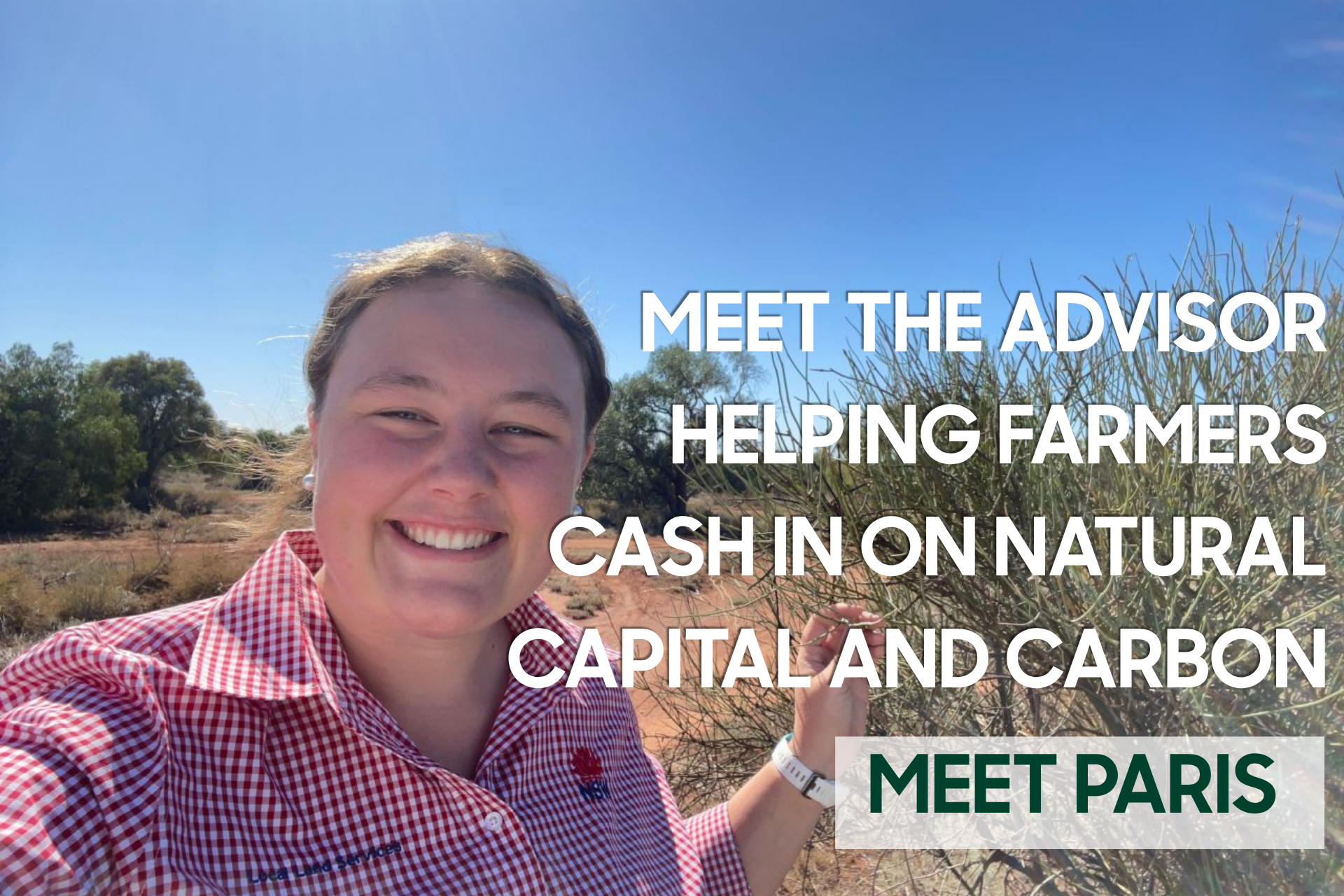
Behind every piece of food we eat and fibre we wear, there is not only a farmer, but a scientist solving the ever-changing puzzle that is agriculture. Whether it be adapting to changes in climate or bolstering natural capital. Paris Capell is a passionate young agricultural professional who is helping to make a meaningful mark on the future of farming.
Paris grew up in the NSW Central Tablelands, so spending time on farms as part of her profession, comes naturally. As a young adult she’d constantly hear farmers talk about the impact of climate on their crop quality and yields. Even in her part time job at the local swimming pool, she’d wonder why there was so much dirt to scrub off the bottom. “I thought, if it was blowing off paddocks, what can we do to improve productivity and sustainability into the future?”. From that moment, a career in agriculture became her focus.
Paris bolstered her natural curiosity with a degree in Environmental Science, and a Masters to follow. Paris has noticed our farmers are already thinking about how to produce food with the smallest amount of rainfall, how to manage pesticide and fertiliser use and how to be sustainable. She sees her role and helping them to go the next level.
“I always get inspired when I’m out and about learning from different landholders. The innovation is incredible.”
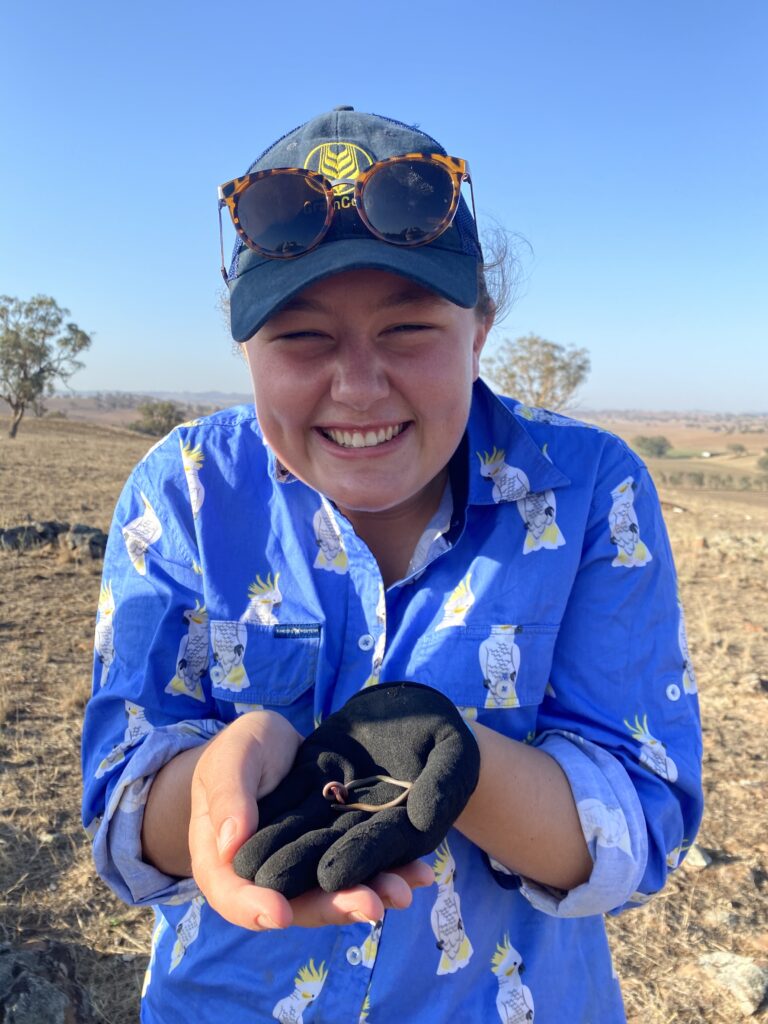
An area that is still emerging, and one in which Paris is has expert, is carbon. “There are so many ways we can use agriculture to draw down carbon into our soils and then the benefits we have back in terms of more water holding capacity and ways we can hold nutrients,” she explains.
“Natural Capital is all about natural assets and natural resources we have on properties – both living and non-living. So, our soils, our water, all of our native vegetation and trying to add value to that.”
Paris works with farmers to utilise Australian Carbon Units (ACUs). “Maybe it’s reducing the till in the soil or using some extra nutrients when we plant. There are always new ways to introduce more organic matter into our soils.” Paris explains. Other farmers are reducing methane from cattle, and even tree planting.
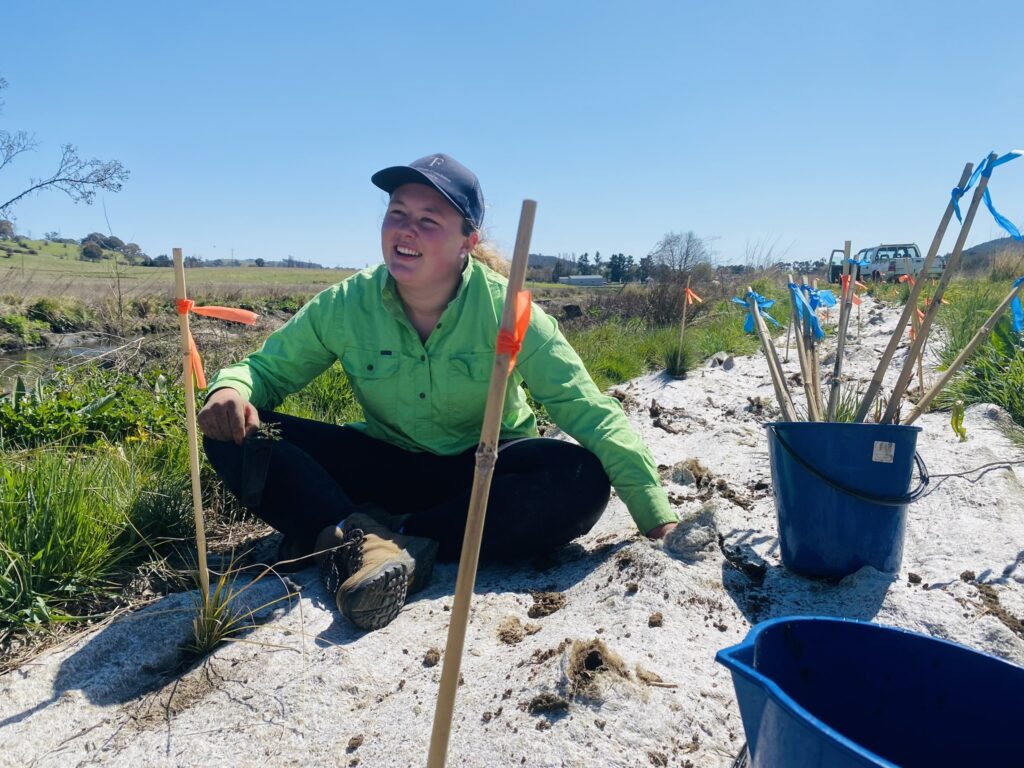
“There’s a whole menu of ways we can try to increase carbon in our systems and get financially rewarded.”
Climate adaptation is also a key part of the job, and Australians are doing it well. Paris has toured dairy farms with sprinkler systems to keep cows cool during heatwaves. She also says some warming in the climate can lead to unexpected positives in certain areas. “We don’t talk about that much, but decreased frosts can be positive for some cropping systems and actually plants like to grow with increased CO2 in the atmosphere.” The downside is more netting may be required to protect fruit trees from losses due to storms.
Paris’ current role is with Western Local Land Services, offering a way to bridge a current gap. “Many of these conversations happen in boardrooms or at parliament and it’s really important that we translate that to what’s happening on the ground,” she explains. For her work in getting that message out there, Paris has been named in the National Agricultural Leadership Program run by the NFF. An exciting new platform to sing farmers’ praises from Cobar to Canberra.
Hear more stories like this by subscribing to the Telling Our Story podcast on iTunes (or wherever you listen to podcasts) and follow podcast host Angie Asimus on Instagram for more updates.