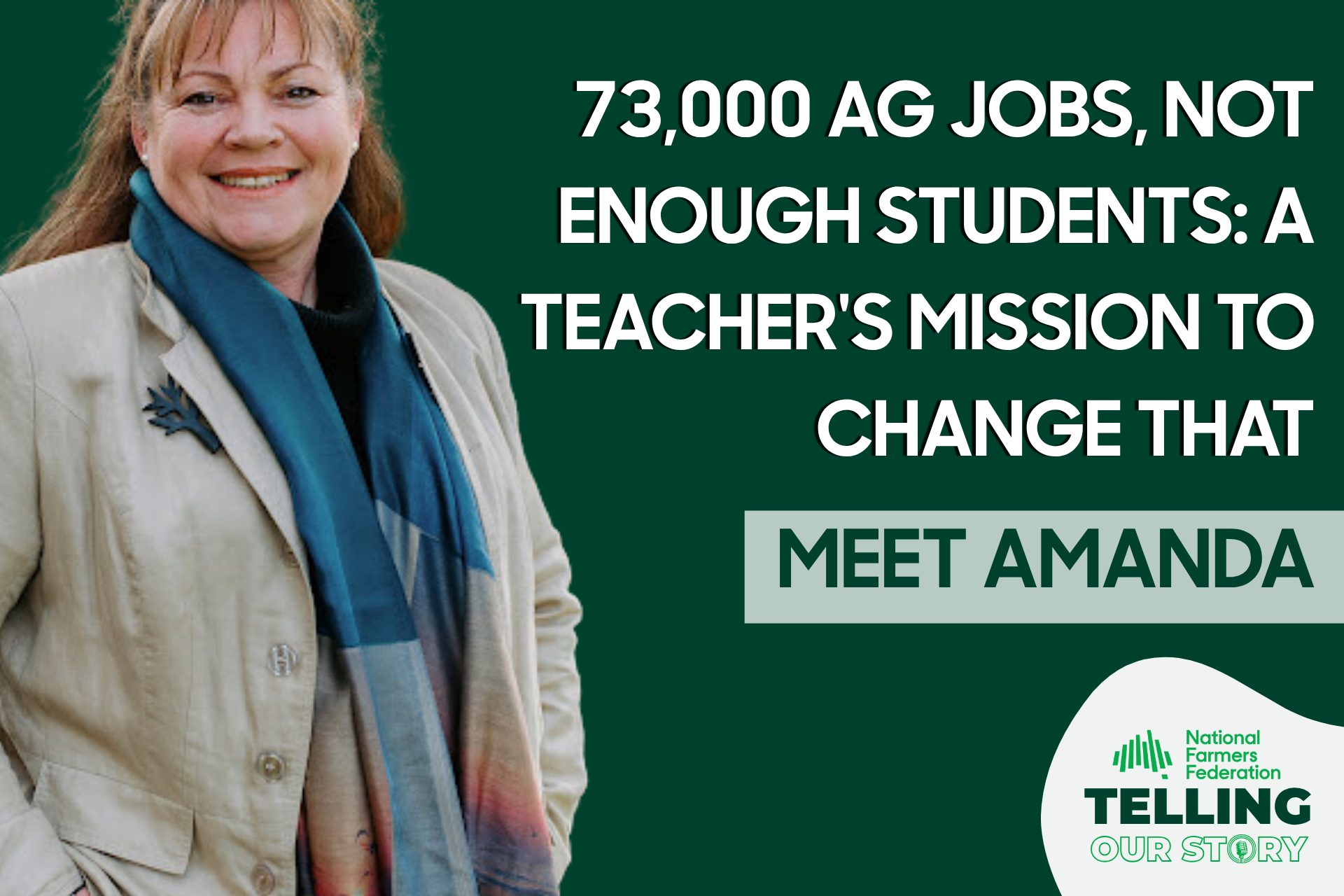
As we look around the agriculture industry and see all the farmers, agronomists, regional leaders and so many more – there’s a good chance, a great educator helped ignite that passion and learn the skills to succeed. As an ag teacher, you can often be the very first person to inspire a future industry leader. To learn more about cultivating agricultural careers, Amanda McClaren, a former Mayor, now from Victoria’s Seymour College is sharing her insights.
“What frightens me, is the disconnect that students and young people have from their food and food production.”
Amanda’s entry into the teaching profession is a relatively new one, making the decision in 2022. As a long-term vocal advocate for better agricultural education, Amanda jumped straight into a role at Seymour College due to the impressive 15-acre agricultural campus. The school offers the program right through secondary school from Year 7 to 12. In her previous career, as Mayor of Strathbogie, her unique skill-set has made her a favourite among the students.
“We know that there are upwards of 73 000 agricultural jobs in Victoria… and yet we don’t have that many students who are pursuing that actively now.”
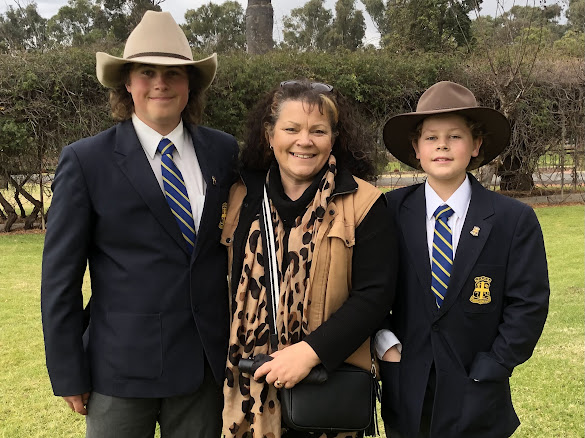
By simply, introducing children to agriculture early, it’s making a huge difference. Amanda is teaching students who had never even tried a tomato straight from the vine. “One student’s face lit up, and he tuned to me and said, ‘Oh my goodness, I’ve never tried anything like that! Can I have another one?’.”
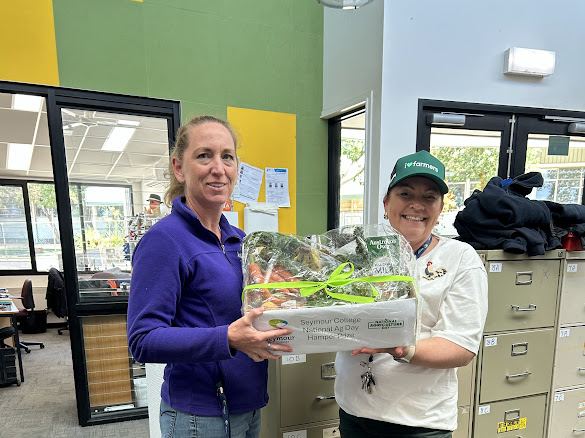
The produce currently grown on site goes back into the school café, with plans for any excess to go home to families. “We are a very low socioeconomic area and I’m really keen to see nutrition lift in this space.”
“One of the first things I ask my Year 7 students when they come into the classroom is, ‘what did you have for dinner last night?’ It shocks me to the core how very few vegetables the students have.”
She recalls in one class, not one student in a class of 19 hadn’t eaten a single vegetable as part of their Sunday meal, the night before. “That worries me – the trend we’re seeing. Kids not eating vegetable and spending lots of time on screens and gaming. I want to get them outside enjoying the environment,” she explains.
Amanda shares one of her favourite ideas for a National Ag Day experiment that any one at home, or even in a metropolitan school can accommodate. She recommends buying a few new pairs of underpants and burying them for 7 weeks in three different soil types. She recommends builders’ rubble, standard soil and then soil boosted with lots of compost. “The first ones they pull out really haven’t had much happen. The second, there are a few holes. Then the third, they pick it out and there’s only the elastic left.”
“The kids are just blown away by it. It’s such a great conversation about soil biology and the importance of soil biology for growing food.”
The experiment can also be extended to include polyester garments, and why they don’t biodegrade, even with the help of microbe rich soil. “There are a lot of things our urban schools could look at and include,” she says.
Amanda wants to make the lessons even more interactive, and there are now plans for a market garden on school grounds and a farmer’s market to follow. Students interested in a career in the industry are regularly being connected with producers in the region helping put them through traineeships.
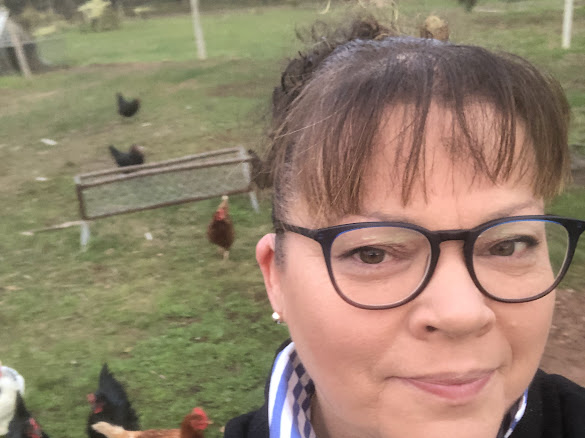
Amanda finds being an educator immensely rewarding and thrives on changing existing paradigms through which people see the industry. She recalls that without fail, when asking her Year 7 students, what a farmer looks like – the answer is pretty much Old MacDonald. “I say to them, ‘Well, I’m a farmer’,”. Amanda farms chickens and cattle. But she’s also quick to remind students, you don’t need a lot of space to become a farmer. Hydroponics and aeroponics are two ways the students learn to grow something in unconventional ways.
Proving, changing how you look at things can be the be best teacher of all.
Hear more stories like this by subscribing to the Telling Our Story podcast on iTunes (or wherever you listen to podcasts) and follow podcast host Angie Asimus on Instagram for more updates.