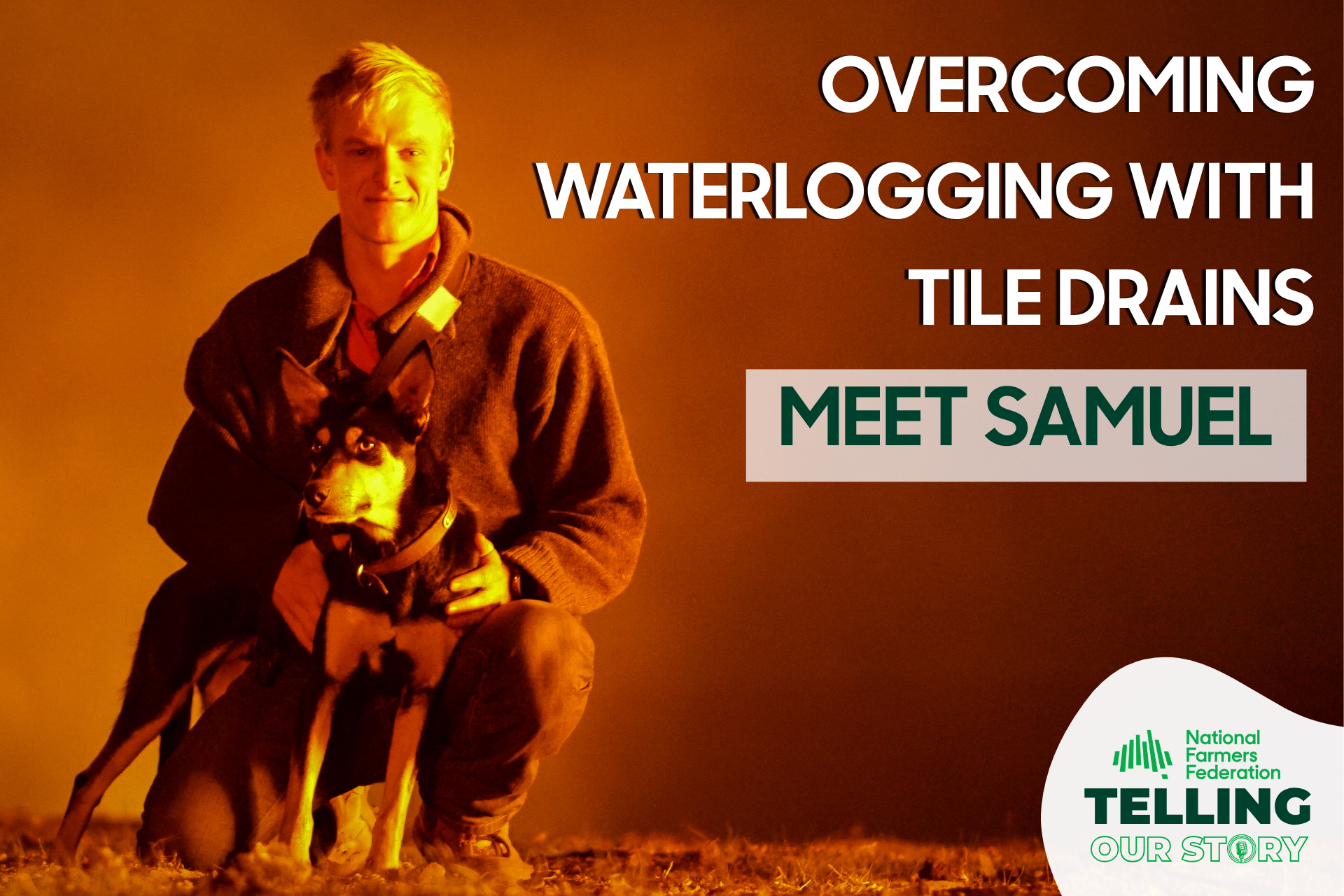
Positioned in a unique part of the world in WA’s Frankland River, the outlook on life is a little different. With around 600 mm annual rainfall, there’s a lot of optimism on this farm. An 80/20 cropping/sheep split has the property expanding rapidly. And at the helm, alongside his brother, is Samuel Beech, who has not long returned from a trip to China on a wool tour with other Australian farmers.
“We’re incredibly fortunate relative to a fair portion of WA. We have pretty reliable rainfall. In fact, you could argue, a little bit too reliable.”
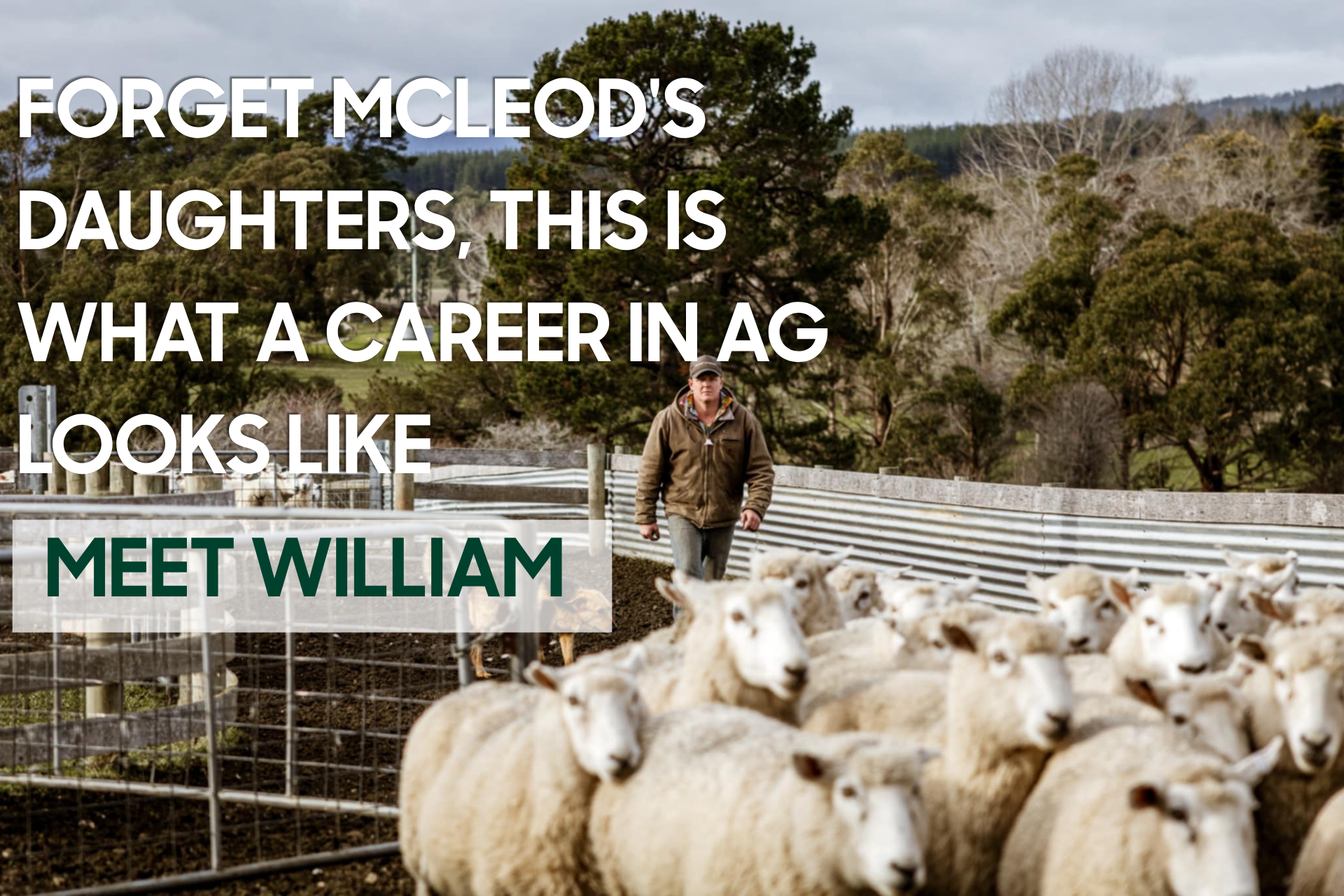
The country is well-known for sheep. Cropping has taken off only in the last 20 years. “We’re surrounded by a few big, continuously cropping farms with no fences. They’re trying to run that sort of wheat belt style farm,” he explains. “But it’s the sheep that are still a really good fit in this area. We have a lot of country that’s not croppable.”
The Beech brothers have divided those duties with Samuel running the sheep, and his brother in charge of cropping. They work together. The crops provide stubble for the sheep to graze over summer, which in turn allow them to increase their winter stocking rate.
The pair, alongside their parents, are expanding the operation. Samuel is dedicated to sourcing the best genetics to suit the area. “If we want to feed more mouths and grow more kilos of lamb and wool per hectare, we need to grow more kilos of grass to then be converted. He’s also a big fan of late lambing. “The 6th of August is our official start. So, like most of the country, we have a relatively cold, wet June, July and start of August. And so pasture rates drop right down.”
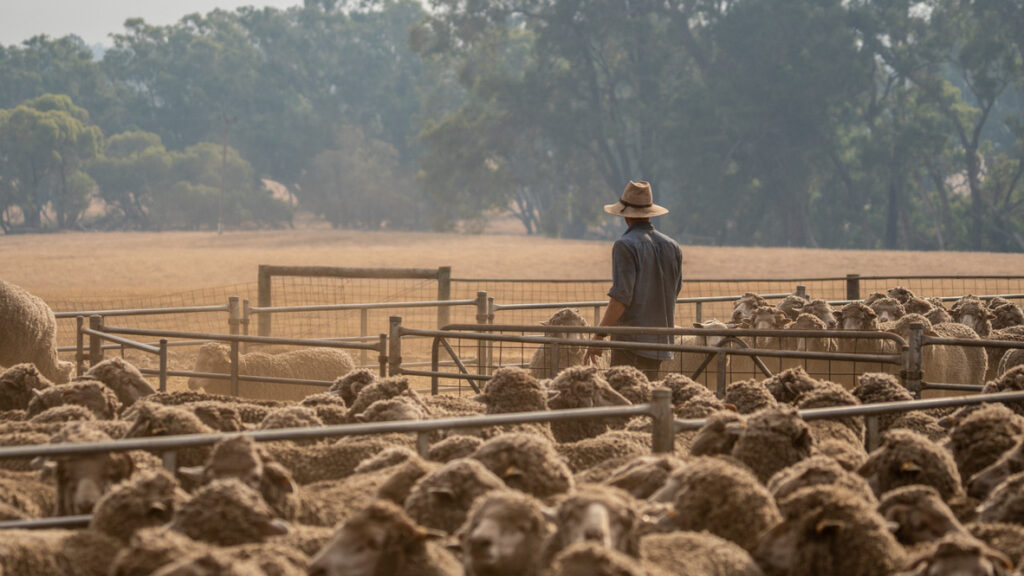
“Late lambing is wanting to match our absolute feed demand when we have our highest level of pasture growth and food.”
Innovation is coming through the cropping side of the property too. Water logging is one of the main challenges faced in the area. And the Beech family is implementing tile drainage. “Short of going out and fencing out every little five-hectare area that gets waterlogged, if we can whack a tile through it, it’s sort of a perforated pipe that gets covered in a sock.” The idea is the water flows out of the pipes. “If we can get the water moving off the waterlogged country, and we can create uniform paddocks, then that’ll be a real yield kick to us in the future.”
Sam’s recent field trip to China with other growers has left him feeling positive about the future. “Pretty special to go over there and see that we’re producing a very highly respected and in demand commodity.”
“There’s something about working with animals and growing grass and being amongst it all. I also think it’s an incredibly honourable profession.”
An unexpected bonus of coming back to the family farm in 2019, was how much he has loved building a team, and learning along the way. From agronomists, to accountants, to finance and livestock agents – a lot of great agricultural minds make Chillakerup Farm a success. Always learning from others, and in turn, passing on that knowledge, seems like a pretty successful business model.
Hear more stories like this by subscribing to the Telling Our Story podcast on iTunes (or wherever you listen to podcasts) and follow podcast host Angie Asimus on Instagram for more updates.