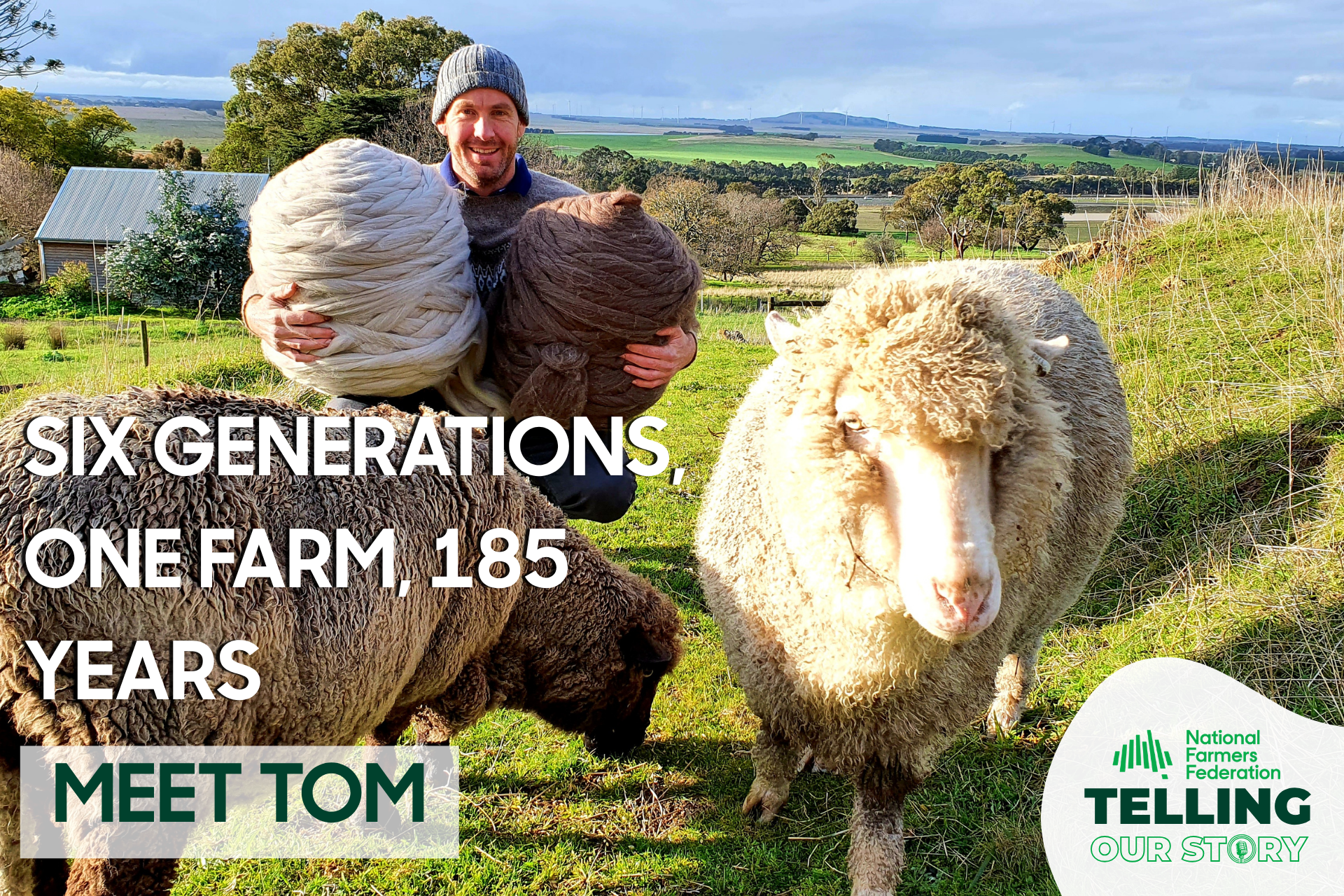
One Family. One Flock. That’s the extraordinary history that belongs to the Dennis family. Since 1840, each generation has added their own touch to this unique sheep farm and historic homestead, Tardwarncoort in south-western Victoria. It’s also home to Australia’s first breed of sheep – the Polwarth. And everyone is invited to share in the property’s rich history with accommodation and a wool shop open to the public.
The place is affectionately known as ‘Tarndie’ by the Dennis family, and it’s currently under the custodianship of Tom Dennis, the 6th generation to call this place home. “I think we were pretty slow breeders in our family, to be honest,” he laughs, thinking they should be a bit further along than that. After so many generations and different branches of the family, succession plans have left Tom running the homestead block on 21 hectares with his partner Jason. That succession plan took 6 years to execute between him and his siblings.
“In terms of Australia’s big sheep stations, it’s not your regular fit. So, what we do with that small farm these days is really engage with people.”
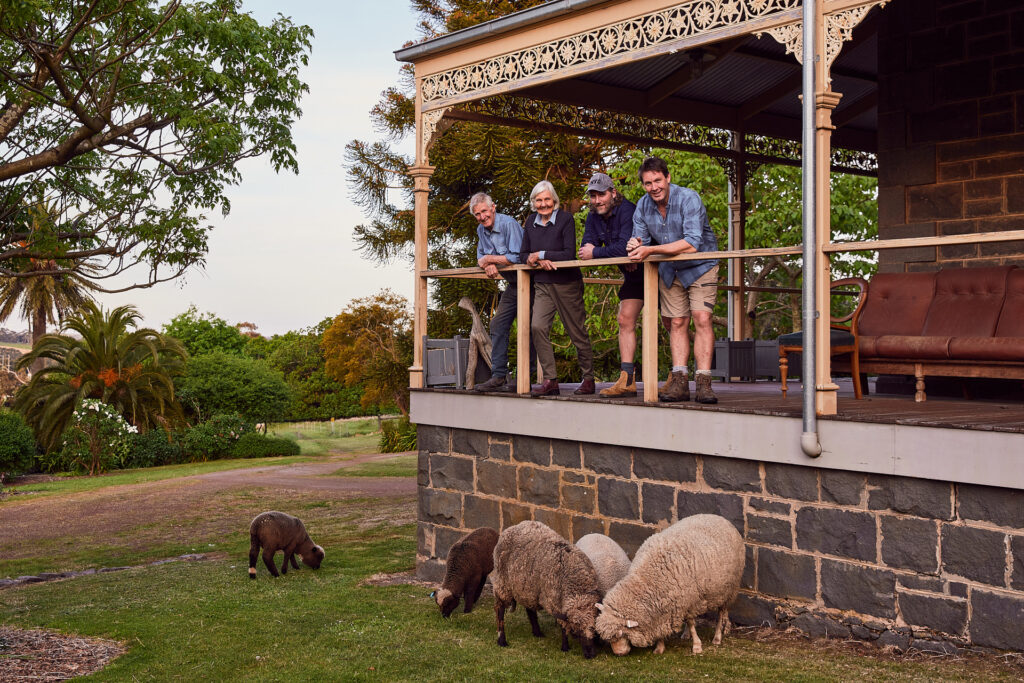
Tom describes it as farming people – a concept they had to explore with the need to make an income off such a small piece of land. The original size of the leasehold was 10 000 acres run by three Dennis brothers from Cornwall, who expressly wanted to grow wool in Australia. “They were those early settlers. We talk about pioneers. We talk about occupiers. There are different ways to phrase it these days,” says Tom. Amazingly, of those 10 000 acres, about 80% of it is still farmed by descendants of those three brothers.
But it’s not just the people who’ve been there for some time, the sheep have been along for the ride for just as long. Careful breeding to suit Australia’s climate resulted in the Polwarth breed. “That’s the area where we are over here. This is the Polwarth district. But during the 1950s and 60s, there were Polwarth sheep all around Australia.”
The Polwarth is a white sheep, but Tom’s parents were able to delve into black and coloured pigments, which really took off and gave the family and edge. “There was a real interest in natural fibres and undyed products in the 1970s. I think people equate that to the hippie movement!”
Fast forward to 2025, and there’s a resurgence in the love for hand-knitted products, which has given Tom his own niche – a craft wool shop on the farm and accommodation for keen knitters to create something unique overlooking paddocks filled with the sheep that produced their spool of wool. “We’re noticing more and more people are interested in wool craft making as part of their travel or adventure,” he explains.
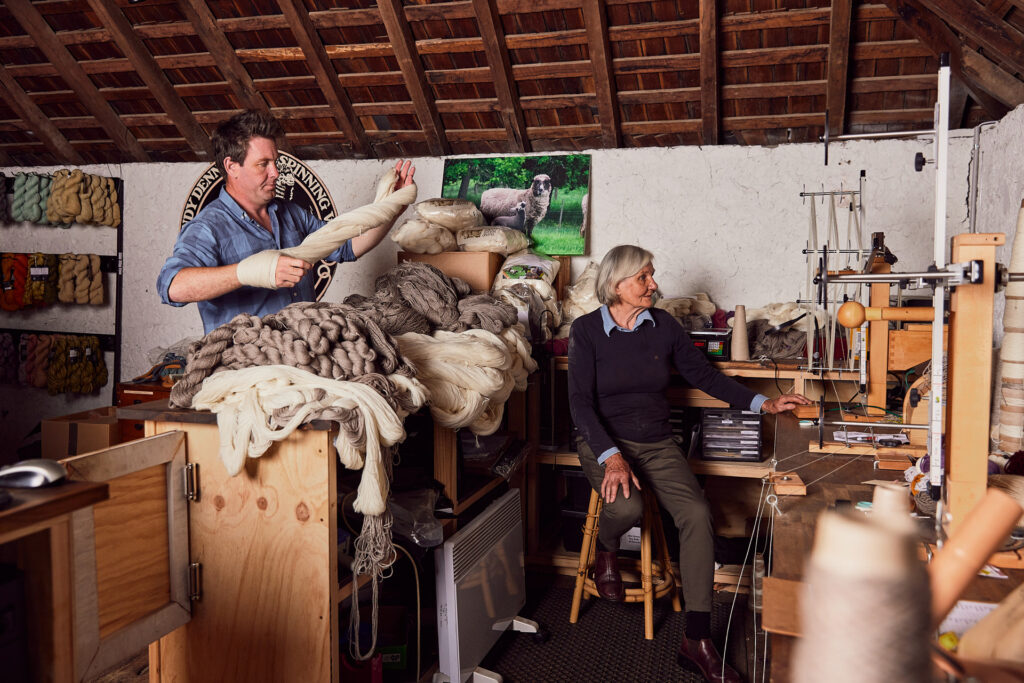
“I’ve always been really interested in the tourism capacity for this old place down near the Great Ocean Road, and wool has been the vehicle to bring us into the tourism industry.”
Tom is passionate about preserving the history of the homestead, the Polwarth sheep, as well as wool craft skills. That ethos of conservation, no doubt something his ancestors would be proud of. “We’re surrounded by creative people. They’re picking up a ball of wool and wondering what they’re going to do with it,” he shares.
“On the place here, there is a real sense of connection and community that just comes from being in the one place for a long time. My extended family talk about coming back to be buried. We’re on the same bit of dirt, and there’s connection in that.”
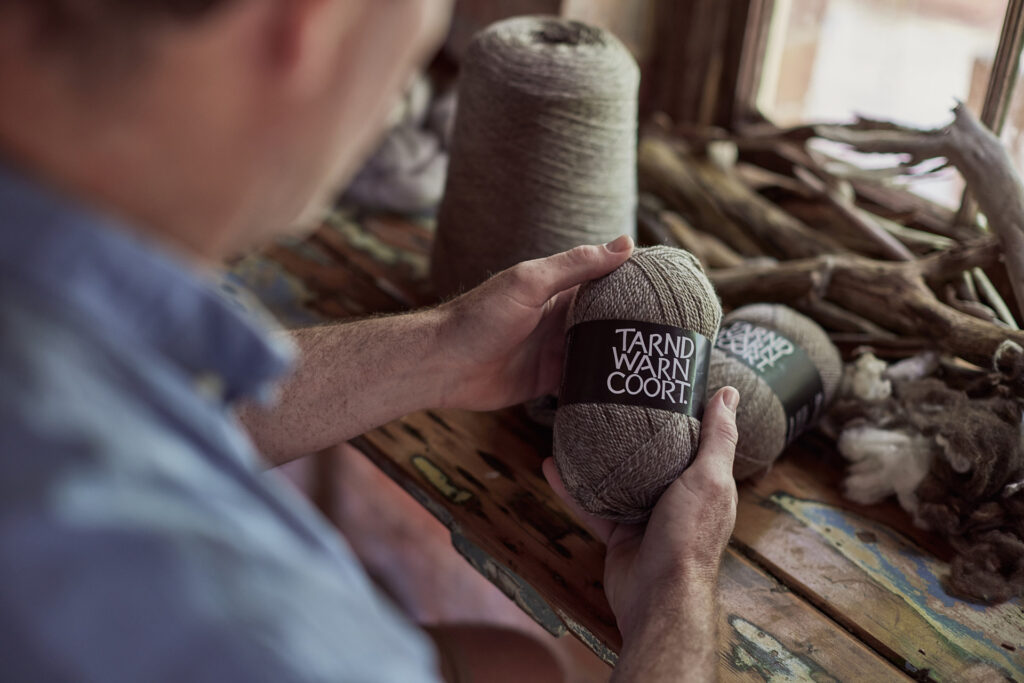
Tom’s favourite place on the farm is the courtyard where many branches of the Dennis family still get together to connect and talk every morning. But his future focus is ensuring local mills stay open so our wool can be processed in Australia for years to come. So, once the last sip of coffee has been emptied, that’s his motivator. To prove there’s still a need to grow and process craft wool, Tom has even learnt to knit himself. Now that’s dedication.
Hear more stories like this by subscribing to the Telling Our Story podcast on iTunes (or wherever you listen to podcasts) and follow podcast host Angie Asimus on Instagram for more updates.