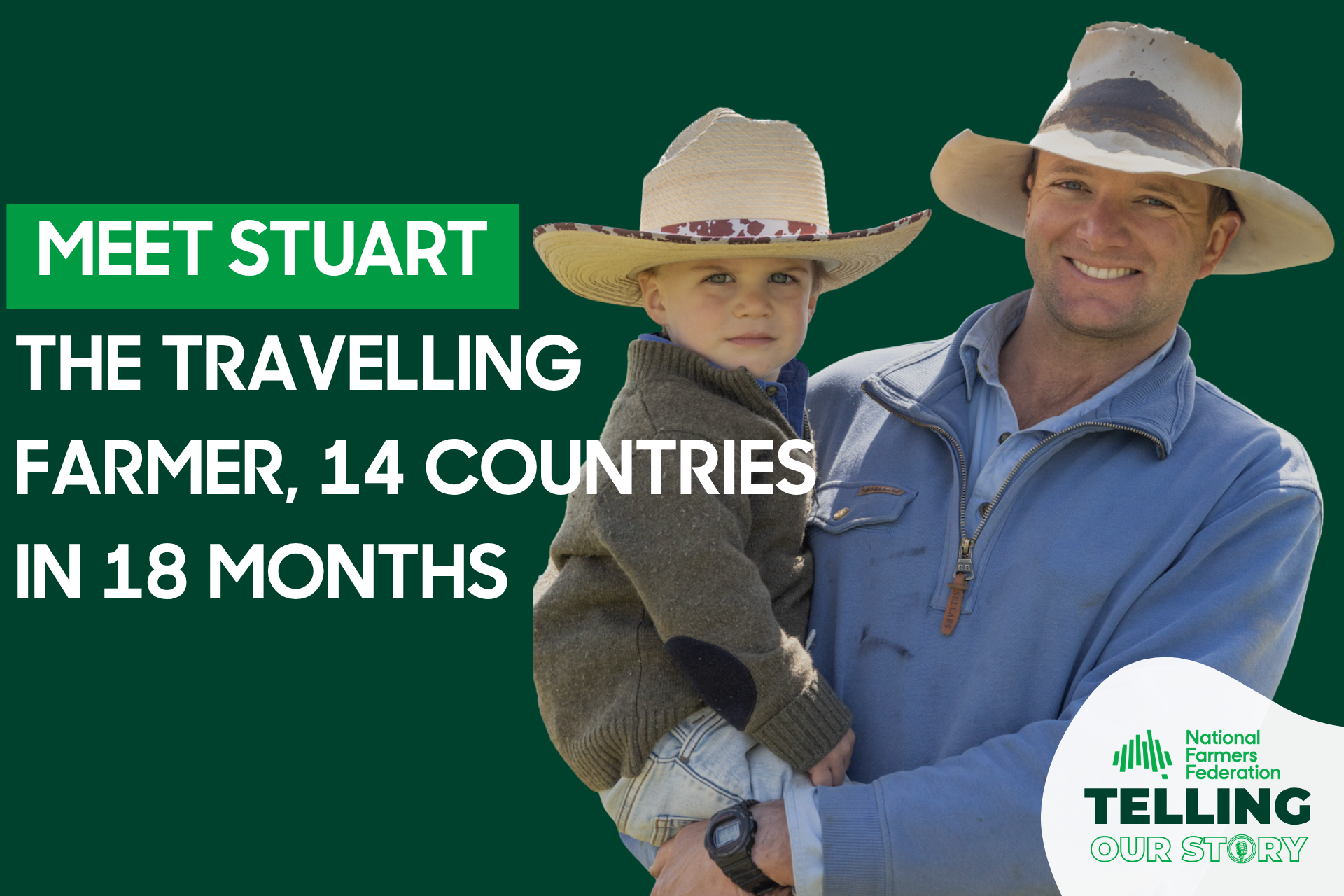
Farming is often as much about looking after your own patch of land as it is learning from others. Weather extremes and changing seasons can make grazing cattle year-round incredibly difficult. In his quest for answers, former Nuffield Scholar Stuart Tait has travelled to New Zealand, Europe, the UK, North and South America to learn about filling the pasture-based feed gap to boost beef profits. He’s also offered up his farm as the site of a first of its kind pilot plantto turn straw into fertiliser. When he’s not travelling world, he’s managing his family farm in the NSW Central Tablelands.
“I think in the period of about roughly 18 months, I visited 14 countries around the world, so looking at farms, and agriculture m ore broadly, around the world.”
Having a farm that makes money year-roundis a challenge, especially during drier and colder months. “It gets quite cold. Grass growth is limited. So, I was looking at a system where we had different pasture species. It’s also grazing management. All those different components of a modern farming system to have a relatively consistent supply of feed throughout the year,” Stuart explains.
“I certainly rank the Kiwi's as, in my opinion, the best livestock farmers in the world. They’re breaking things down into how much it costs to grow a kilogram of dry matter.”
Stuart learnt to look at the price of grass in the ground as much lower than the cost of turning that grass into hay. “It hasn’t multiplied and it hasn’t improved in qualityor nutritional value. The other option, instead of turning it into hay or sileage is to go and get a dairy cow, or a sheep, or a lamb, or a beef animal and open the gate and put those animals in there to consume that matter. It doesn’t cost you any more,” explains Stuart.
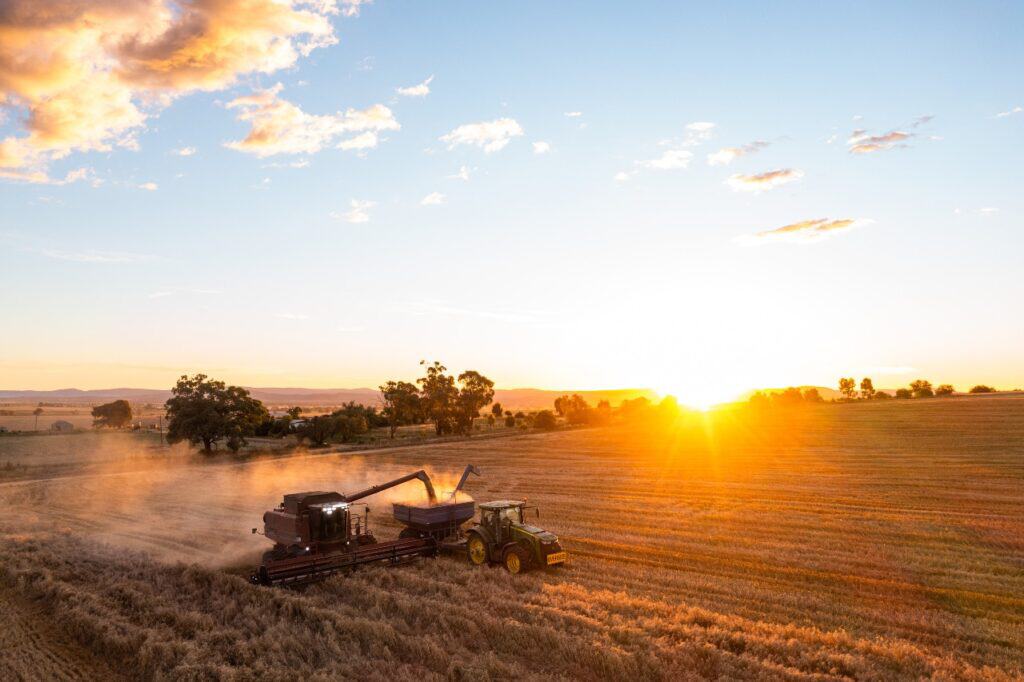
“You’ve already grown the grass. All you have to do is use it and turn it into protein, wool or milk.”
Of course, the challenge is when you don’t have that kilo of feed to hand and how to manage grazing to plan for those periods in time.That could mean growing different types of grasses or crops. Or even trying to calve or lamb at times of year that have the highest quality grass available.
In the interests of making the most of what you’ve got, Stuart has just put up his hand up for a fascinating pilot project. Using waste biomass, in this case straw, in conjunction with Macquarie University, to break that matter down to produce green hydrogen, which in turn can potentially be used as fuel or fertiliser.
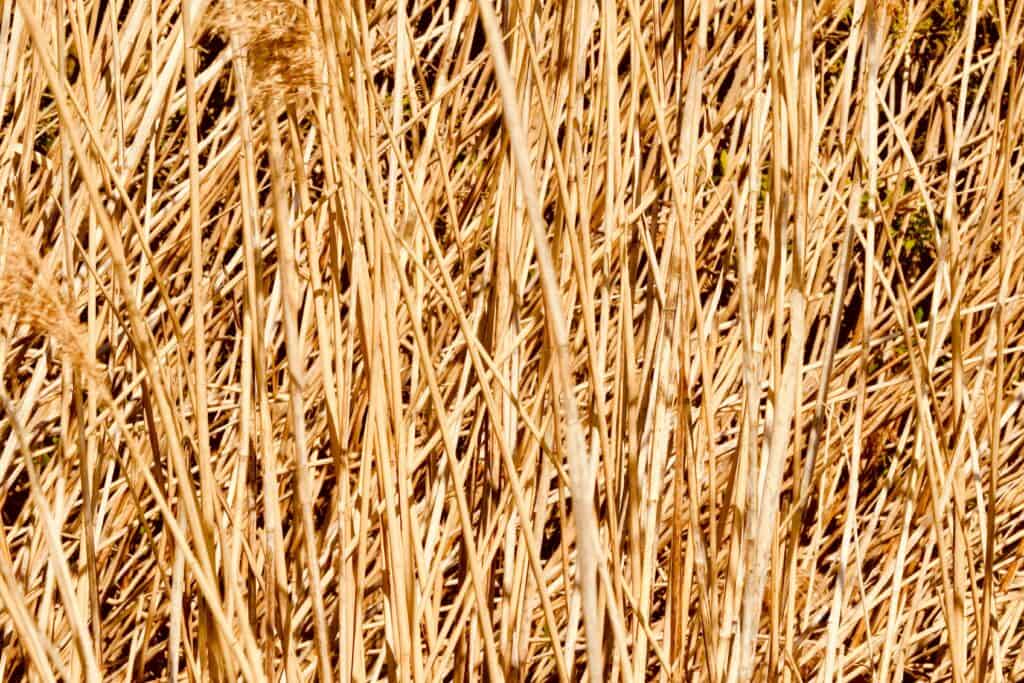
"Ultimately, we're using straw to produce fertiliser for our own farm. We’ve got a NSW government grant and we’re well underway with building a first of it's kind demonstration plant here on our farm, which will be up and running in the next year or two.”
Despite Stuart’s travels and innovative ideas, his real long-term plan is to be a good dad, husband and friend. A perspective that will no doubt serve him well, in whatever he chooses to tackle next.
Hear more stories like this by subscribing to the Telling Our Story podcast on iTunes (or wherever you listen to podcasts) and follow podcast host Angie Asimus on Instagram for more updates.