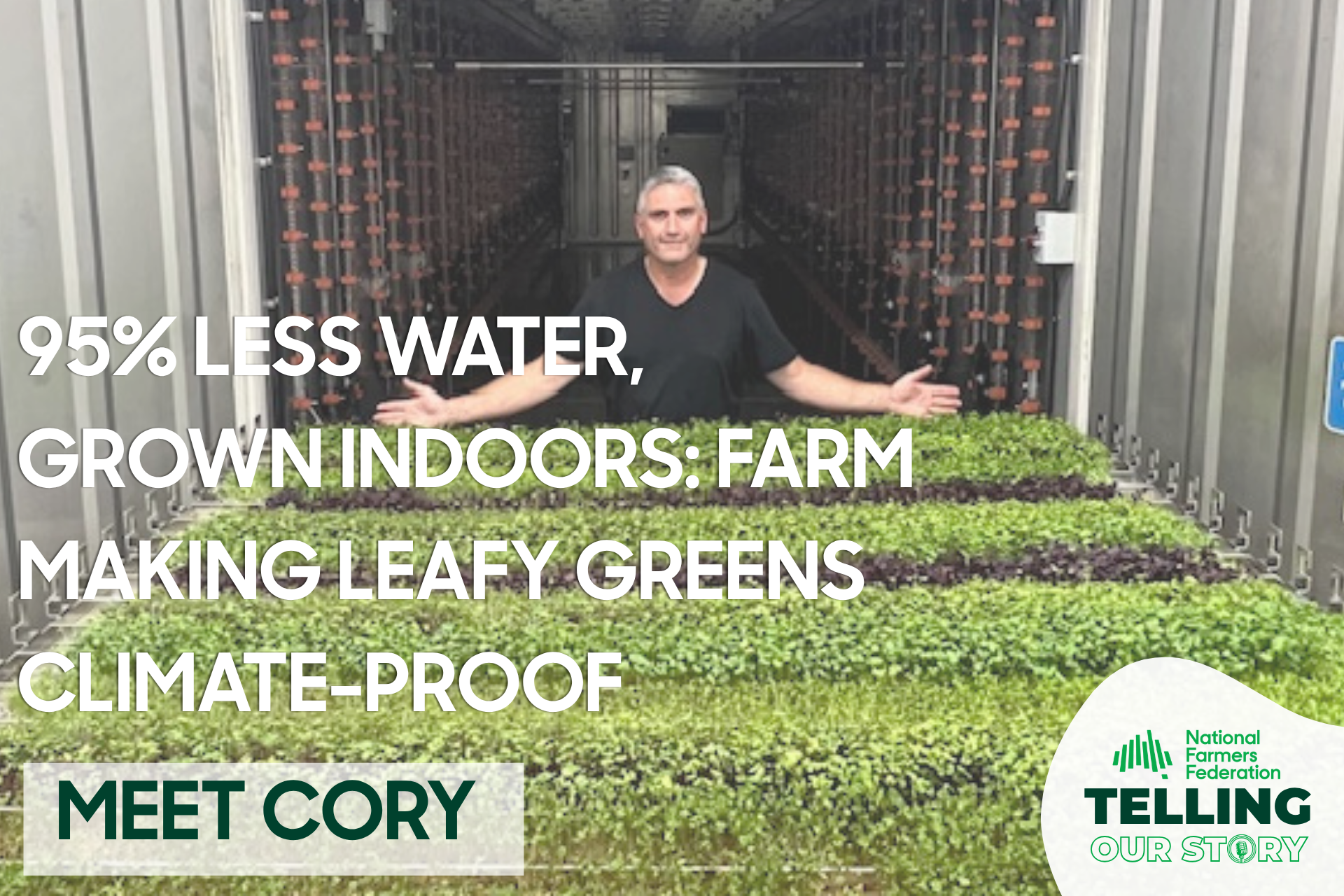
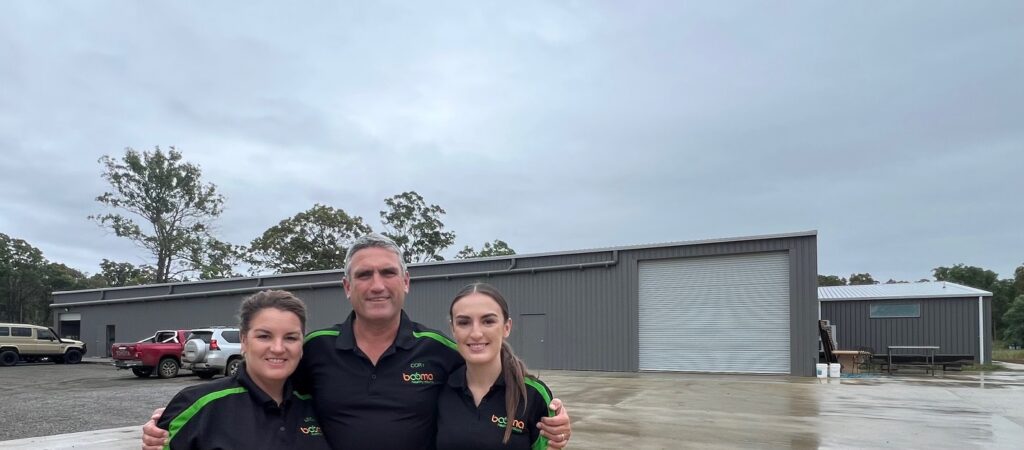
After an epic quest all over the world, the owners of Booma Food, based in Cessnock, in the NSW Hunter Region, are confident they’ve tracked down the best sustainable growing technology to see us through future climate challenges like flood and drought. In a southern-hemisphere first, the Indigenous-owned company has launched the patented vertical design, that grows an abundance of leafy greens, indoors, all year round.
Managing Director of Booma, Cory Robertson is proud of his Indigenous heritage and of the business he has grown with his childhood sweetheart, and their daughter. Given where he is now, Cory laughs, remembering how he never planned on a career in agriculture. “Like most country boys had to do, if you’re not going to be in agriculture, you had to move away. I went down to Sydney and grew up in a hurry,” he says.
Those years took him into fencing, coal mining, dozers and dump trucks – but he ended up in agriculture anyway, starting Booma Food. The company’s name is a play on the word, boomerang, “If you throw it out there, it comes right back. And I guess, that’s what we’re trying to do with our Booma vision, is to have healthy returns.”
“We are able to get a very good product to market all year round - drought, fire, flood resistant.”
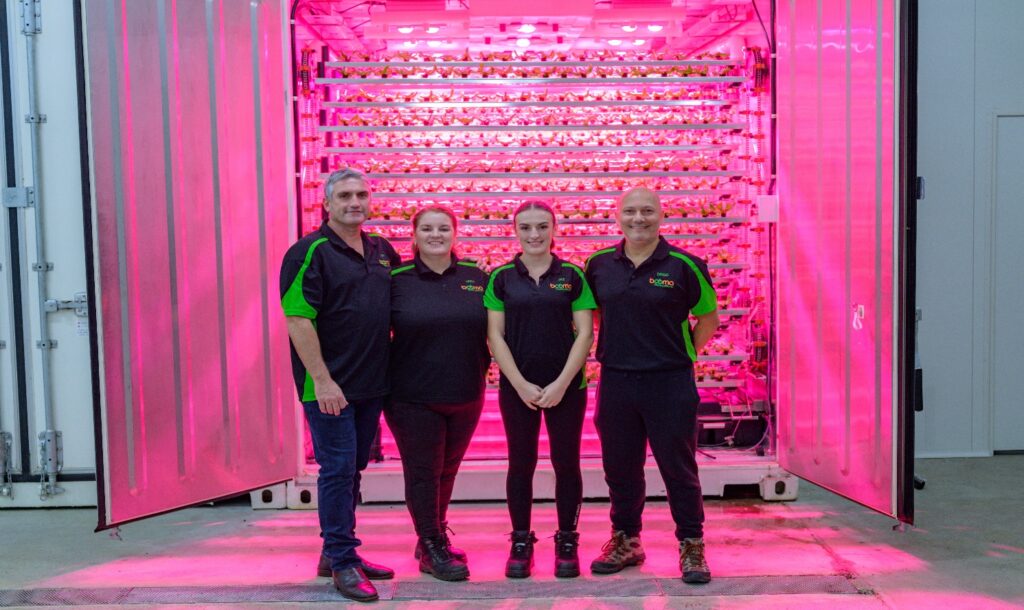
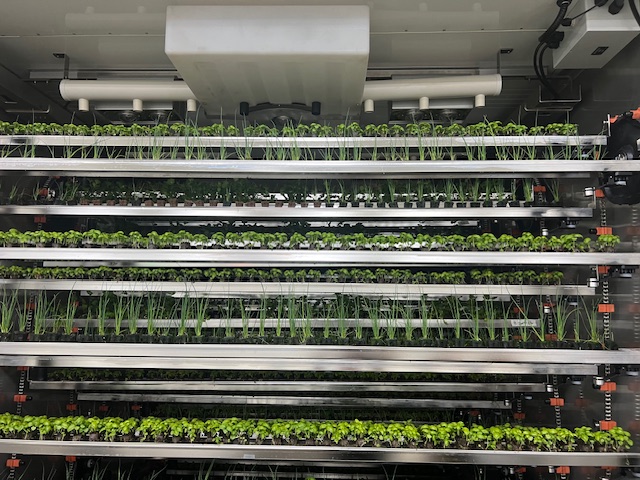
After four trips to China and several to Canada, Cory found the best cubic farm technology on the market. It features crop motion, with the produce moving up and down to spread light and air. There’s also temperature control, Co2 dosing and nutrition straight to the roots.
“That’s giving us our green credentials of 95% less water use, fantastic productivity because it’s straight to the source of the roots – no spraying or misting.”
The infrastructure excels at leafy greens and herbs, which can be grown in 28 to 30 days, and on the shelves by day 31 or 32. Whilst micro-greens, popular in restaurants, are a 7-day crop.
Cory is proud to employ an Indigenous workforce and says Aboriginal participation in agriculture, is currently only 1.8%. “That’s not good enough. With the width and breadth of our country, and regional Australia being made up of a lot of mob, here’s an opportunity to put a team in the competition,” he explains.
“Make agriculture sexy. It’s an opportunity all year round. It’s growing. It’s reliable. There’s always going to be work there.”
The team grows the produce in the NSW Hunter Valley, servicing wine country, Sydney, the Central Coast and Newcastle – all within a two-hour radius of the farm. “Farmers have my utmost respect in terms of what they do, and being resilient, caring for country and if you combine that with Aboriginal communities, the most resilient culture on the planet, we find a place in agriculture for some economic well-being for our communities.”
“It’s all about custodianship. It’s looking after Mother Nature, because right now, she’s pretty cranky.”
Booma has been a 10-year passion project of Cory’s, that unfortunately launched during Covid. Despite the supply chain delays, and international uncertainty – grit and determination allowed him to find a way through. Cory becomes emotional looking back on the challenges and the rock-solid support he’s had from his life-partner Linda and their daughter, Jaz. “We always try to find a way. That’s at the heart. The main purpose of business is to solve a problem. If you don’t solve a problem, you don’t have any business. If you solve a big problem, you’ve got a big business.”
Cory says there are two things in life that are free – good manners and dreams. He’s got both in spades. And is finding a way forward staying true to his values every step of the way.
Hear more stories like this by subscribing to the Telling Our Story podcast on iTunes (or wherever you listen to podcasts) and follow podcast host Angie Asimus on Instagram for more updates.