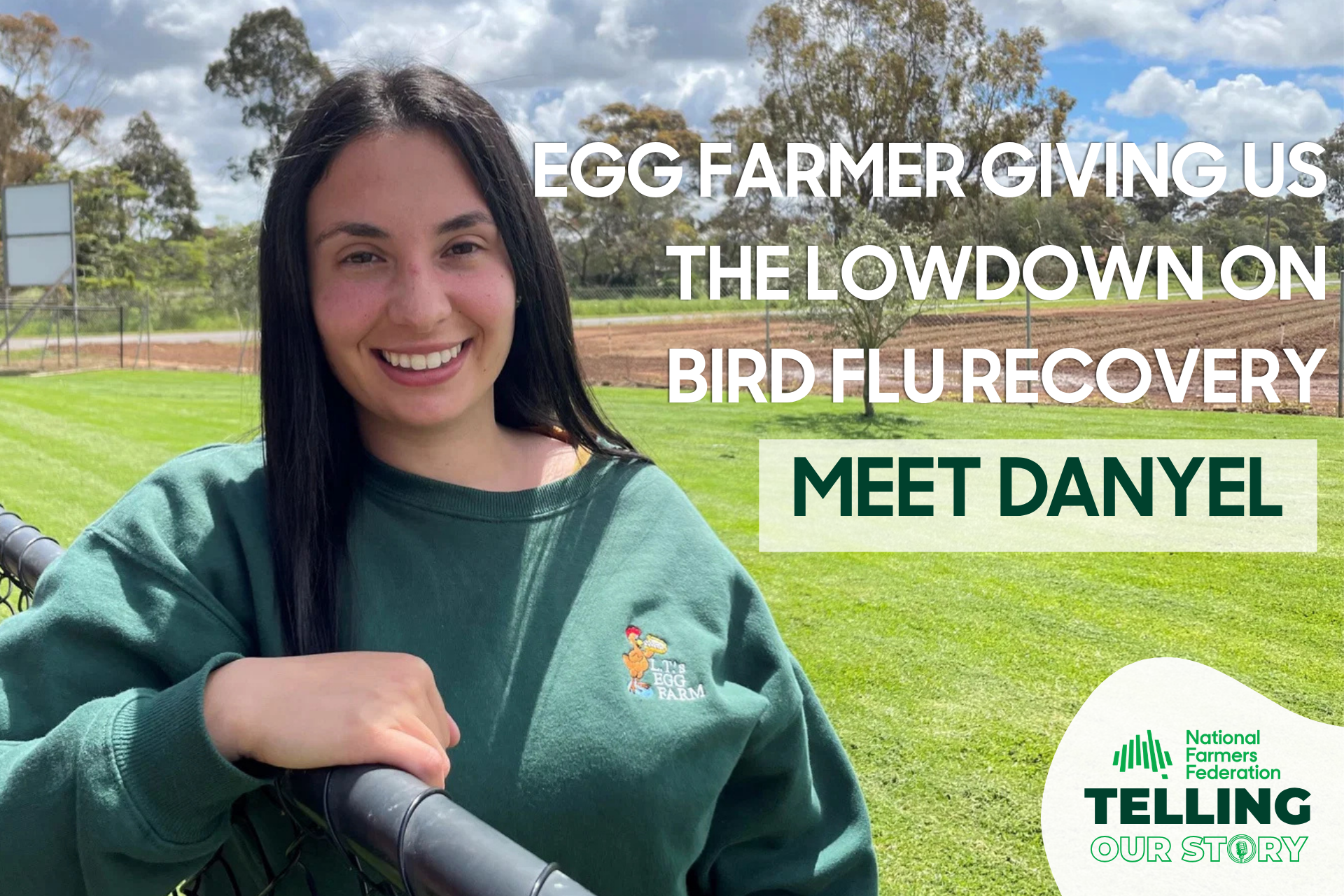
Eggs – they’re an easy and usually affordable source of protein and nutrition. But walking through most Australian supermarkets lately, it’s clear cracks have appeared in the industry. So why is there an egg shortage? And why, when you do happen to find some, are they so expensive? Egg farmer and sector advocate, Danyel Cucinotta from LT’s Egg Farm has the lowdown on avian influenza.
Danyel says the industry will take some time to recover from the outbreak in 2024. An estimated 2 million birds were wiped out, which is a huge blow. “It’s not something you can pick back up and restart again quickly. We’re considering that will take something like 18 months to recuperate,” Danyel predicts. Winter is also adding to the lack of volume on the supermarket shelves as the birds naturally lay less eggs during the colder months.
“If I had a crystal ball, that would be great. But my educated guess is, we’re probably still around 6 months away from seeing an influx of eggs back into the market.”
The Cucinotta’s run a caged egg business in Victoria, but the system is expected to be phased out by the government by 2026, with major supermarkets planning to take them off the shelves even as soon as this year. Danyel, among others, including the Victorian Farmers Federation are calling for a pause to that plan. They argue the change would severely impact families during a cost-of-living crisis. Furthermore, Danyel says caged systems fared much better than other systems during the bird flu outbreak.
Caged egg systems are less likely to see transmission of bird flu due to having virtually no chance of contact with wild birds. “It’s obviously easier to get a biosecurity outbreak in a free-range system. No fault of the farmer whatsoever. In fact, some of the farms, that have unfortunately been impacted are actually some of the most bio secure farms I’ve ever seen,” says Danyel. “It can happen to anyone and anywhere.”
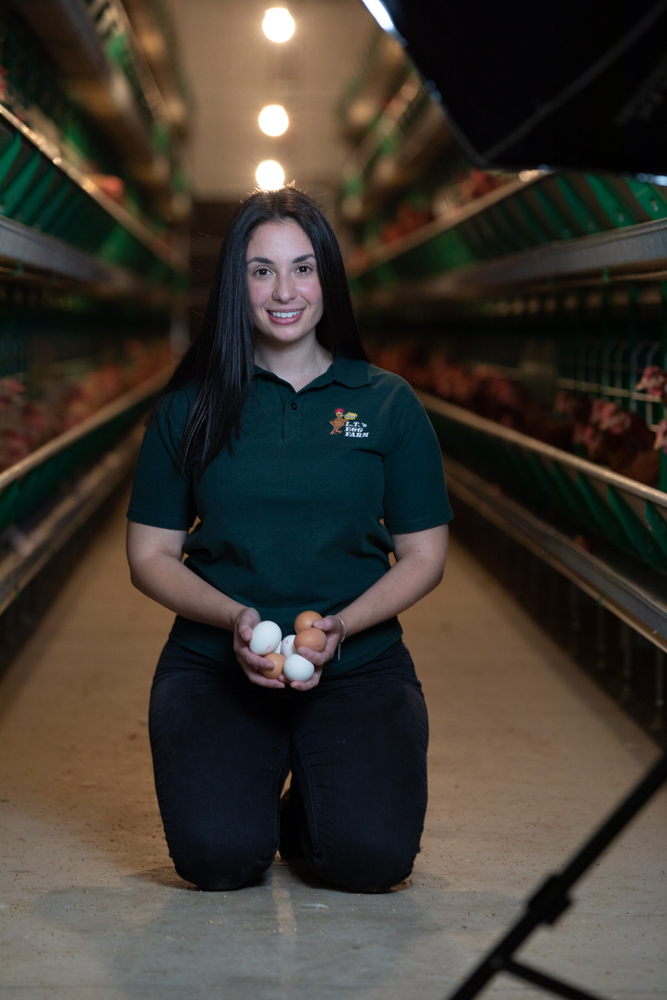
“The moment you put birds outside, you run the risk that a wild bird flies over, defecates on the farm – that’s not any fault of the farmer – but that’s what we saw in 2024.”
Most of the farms impacted were in Victoria, due to flight paths over the region, which explains why consumers in some parts of Australia may not have even noticed a difference in egg supply. What most did see though, was a sharp rise in price.
Danyel is quick to point out that the price increase isn’t just farmers or supermarkets capitalising on the situation. “Our biosecurity protocols have increased significantly. And they come at a cost,” Danyel explains. The cost to clean up after the outbreak needs to be shouldered industrywide. “Even though my farm was not directly impacted, and I didn’t have any birds culled, I still have to pay a levy on top of my hens.”
“We as an industry agree to a levy. The government essentially pays for it upfront. We then have to pay our share back.”
Danyel’s parting advice to consumers is to rest assured chicken meat has not been impacted and that any eggs that have made it to market are safe to eat.
Hear more stories like this by subscribing to the Telling Our Story podcast on iTunes (or wherever you listen to podcasts) and follow podcast host Angie Asimus on Instagram for more updates.